
Oct. 1 is when new federal rules for sharing the Colorado River start. It's going to be messy and courts will likely have to weigh in.

-
 Planet Labs PBCThe fridge-size satellite with AI chips on board is part of Project Suncatcher, the company's moonshot effort to put AI data centers in space and harness solar energy.
 -
Santa Rosa Island is one of only two naturally occurring groves or Torrey pines in the world.

-
A decade ago, a federal plan aimed to help the pollinators along their journey and offset habitat loss by planting strips of milkweed and wildflowers along Interstate 35.
-
 The crew of four — two NASA astronauts, one from Canada, and a Russian cosmonaut — heads to the International Space Station after liftoff from the Cape Canaveral Space Force Station in Florida.
 -
The rapidly emerging El Niño in the Pacific has already tied for the hottest since records began 150 years ago — and it hasn’t even peaked yet.
-
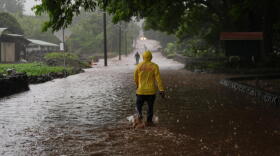 Three hurricanes and one tropical storm have impacted the idyllic islands since mid-August.
 -
 Valar Atomics wants to place over 450 reactors on more than 9,500 acres in Utah to power a huge data center project.
 -
 Potent sedating medications are often used on agitated people with dementia in long-term care facilities despite federal efforts to discourage them. A clash over whether to drug a Michigan woman illuminates the wrenching decisions families and guardians face.
 -
In May, a fire damaged 80% of the trees one of the only two naturally-occurring groves of Torrey Pines in the world. The National Park Service is trying to help them recover.
-
Philadelphia's Academy of Natural Sciences is set to close down thanks to financial pressures. The 198-year-old museum houses important scientific specimens and a beloved dinosaur exhibit.
-
 The MacArthur Foundation has just announced its latest batch of 20 fellows. Among the recipients of the $800,000 "no-strings-attached" fellowships are researchers who were recognized for their work at the intersection of science and justice.
 -
 A historian who studies wage gaps between races and a saxophonist whose live performances include a chef are among the latest recipients of the philanthropic group's annual, no-strings-attached $800,000 grants.


