
This year's glacial outburst flood event in Juneau was minimally damaging, but residents worry about the future. A permanent solution to drain the glacial lake will be chosen by the end of 2026.

-
The federal government has paused construction.
-
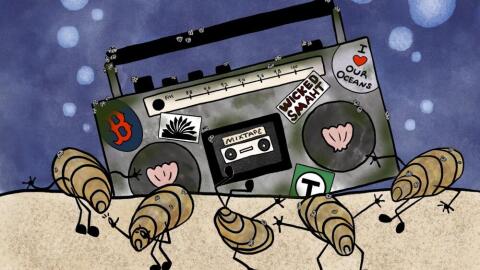 Illustration by Frannie Monahan/WBURNew England's coastline was once teeming with wild oyster reefs. But pollution and overharvesting have destroyed them.

-
Uranium production has been revived in the US Southwest. Tribal communities there who suffered illnesses from previous development are worried nuclear energy will harm them again.
-
A historic drought may have helped yellow fever spread in Brazil. A new study shows how understanding the connection could help prepare for future outbreaks.
-
 Indianapolis officials said flooding from the White River peaked early Sunday, reaching more than 24 feet and surpassing records set in 1913.
 -
 Sunflower sea stars are critically endangered in the Pacific Ocean. University of Washington researchers are working with the Samish Indian Nation to bring this 24-armed creature back from the brink of extinction.
 -
 Just like all previous summers since the pandemic began, COVID-19 cases are ticking up again, even while other health threats make more headlines.
 -
NPR's science podcast Short Wave brings us space news
-
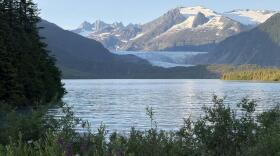 Officials in Alaska are warning that ice melt from a glacier high above the capital of Juneau could pose a threat to homes and businesses in the inundation zone.
 -
 Millions of people in Europe stepped outside Wednesday to watch a spectacular sunset with a solar eclipse. The path of totality passed through portions of Greenland, Iceland, Spain and Portugal.
 -
The Environmental Protection Agency spent millions of dollars cleaning up a massive residential lead superfund site in Omaha, Nebraska, starting in 1999.
-
 The Phoenix Species Project promises sustained support for dozens of localized efforts tailored to the needs of each species.


